ForElite Training Institute
Home Training Calendar
Training Venues Training Formats Blog

Training on Remote Sensing for Disaster Management
Master remote sensing for disaster management. Learn to monitor events, assess damage, and plan effective response using satellite and aerial data.
Loading...
Loading...
Last updated Mar 2026
English
Level: Intermediate Format: In-Person & Online Duration: 10 Days Certification
Enroll Here Course Details
Training on Remote Sensing for Disaster Management - Course Cover Image
Next scheduled session
15 Jun 2026 - 26 Jun 2026
Nakuru, Kenya
Enroll Now
Share this course:

Course Overview

UPDATED 3 months ago

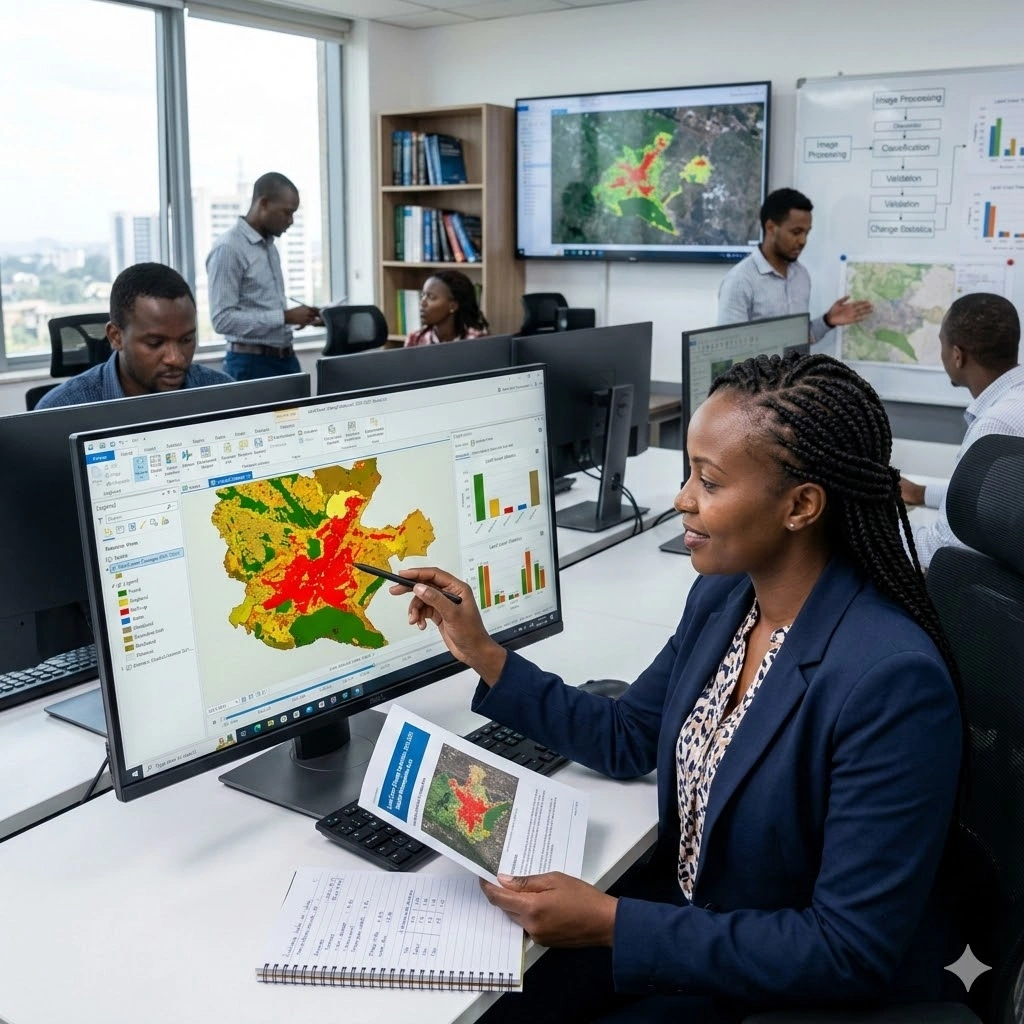
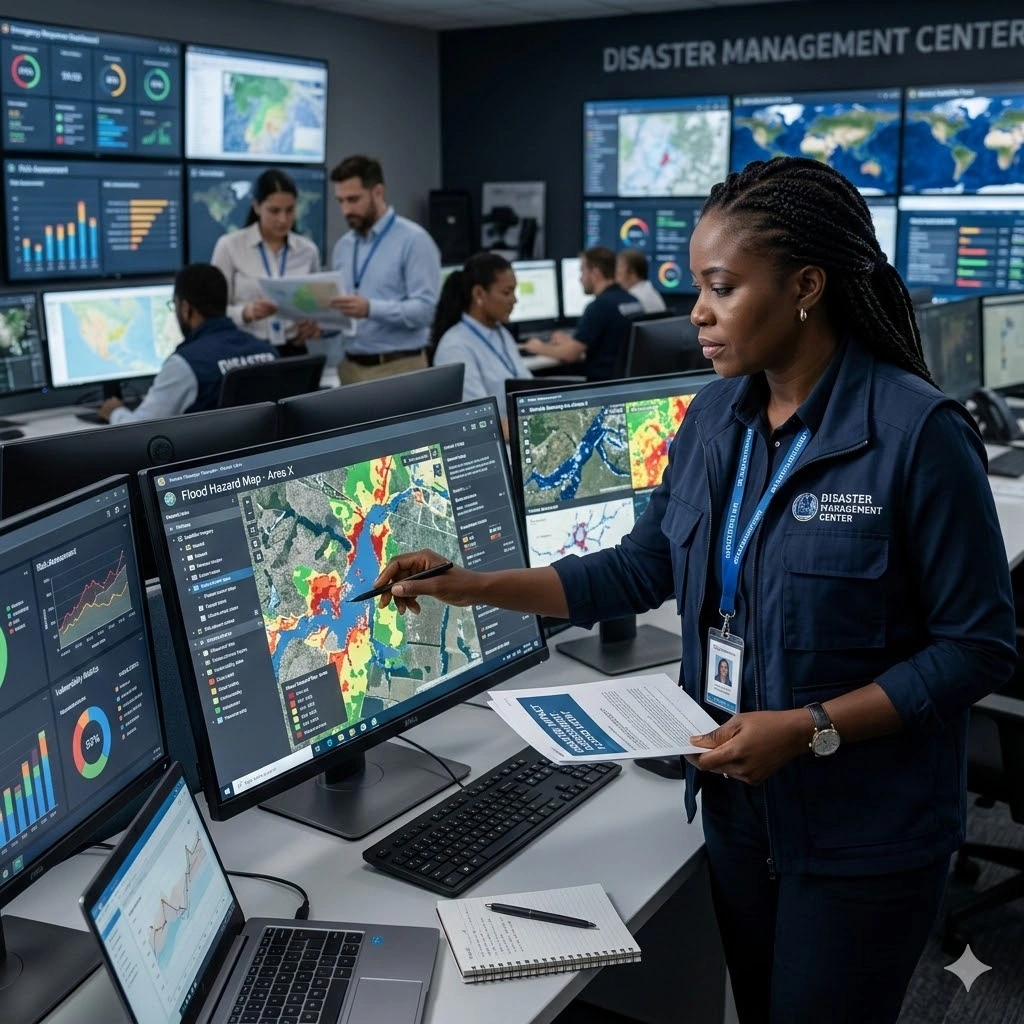
Remote Sensing for Disaster Management equips professionals with practical skills to apply geospatial technologies in disaster preparedness, response, and recovery. Participants will learn to analyze satellite imagery, aerial data, and other remote sensing sources to monitor disaster events, assess damages, and support decision-making. The course emphasizes real-world applications for natural hazards, including floods, earthquakes, landslides, and extreme weather events, as well as man-made disasters.

The training covers data acquisition, image processing, change detection, and spatial analysis techniques tailored to disaster management. Participants will gain hands-on experience in interpreting remote sensing datasets, creating hazard and risk maps, and integrating GIS tools to develop actionable disaster response strategies. Emphasis is placed on enhancing situational awareness, improving early warning systems, and supporting resource allocation during emergencies.

Through case studies, simulations, and practical exercises, attendees will learn to design remote sensing-based disaster management workflows. By the end of the 10-day program, participants will be able to leverage remote sensing for damage assessment, disaster monitoring, risk reduction planning, and informed decision-making that improves resilience and response effectiveness.

Duration
10 Days

Who Should Attend

  • Disaster management professionals

  • Environmental scientists and engineers

  • Urban planners and development experts

  • Geospatial analysts and GIS specialists

  • Emergency response teams

  • Government officials and policymakers

  • Researchers and academics in disaster management

  • NGO and humanitarian organization staff

  • Students and professionals seeking remote sensing expertise in disaster management

Course Impact

Organisational Impact

  • Strengthens institutional capacity to prepare for, respond to, and recover from disasters using geospatial intelligence.

  • Enhances decision-making by providing timely and accurate remote sensing data during emergencies.

  • Reduces vulnerability and improves resilience through risk assessment and hazard mapping.

  • Supports evidence-based disaster management policies and resource allocation.

  • Builds organisational readiness by integrating advanced technology into disaster response frameworks.

Personal Impact

  • Equips participants with specialized skills in applying remote sensing to disaster risk management.

  • Expands career opportunities in emergency management, humanitarian response, and geospatial analysis.

  • Builds confidence in analyzing satellite and aerial imagery for disaster preparedness and mitigation.

  • Enhances practical expertise in rapid damage assessment, hazard monitoring, and recovery planning.

  • Empowers participants to contribute effectively to disaster risk reduction and humanitarian operations.

Course Objectives

By the end of this course, participants will be able to:

  • Understand the principles of remote sensing and its relevance to disaster management.
  • Identify and select appropriate remote sensing data and tools for various types of disasters.
  • Analyze and interpret remote sensing data to assess disaster risk and impact.
  • Apply remote sensing techniques for disaster preparedness, monitoring, and early warning systems.
  • Develop disaster response strategies using remote sensing and geospatial data.
  • Utilize remote sensing for post-disaster damage assessment and recovery planning.
  • Integrate remote sensing data with other geospatial information systems for comprehensive disaster management.
  • Evaluate the effectiveness of remote sensing in disaster risk reduction.
  • Enhance decision-making processes in disaster management through the use of remote sensing.
  • Understand the ethical and practical challenges in the application of remote sensing for disaster management.

Course Outline

Module 1: Introduction to Remote Sensing and Disaster Management

  • Overview of remote sensing technologies
  • Role of remote sensing in disaster management
  • Types of disasters and remote sensing applications

Module 2: Remote Sensing Data Acquisition and Processing

  • Satellite and aerial data sources
  • Image processing techniques
  • Data quality and resolution considerations

Module 3: Disaster Risk Assessment Using Remote Sensing

  • Hazard mapping and vulnerability analysis
  • Identifying risk zones
  • Integrating remote sensing with GIS for risk assessment

Module 4: Remote Sensing for Early Warning Systems

  • Monitoring natural hazards (floods, earthquakes, landslides)
  • Developing early warning systems using remote sensing data
  • Case studies on early warning systems

Module 5: Remote Sensing Applications in Disaster Response

  • Real-time data acquisition and analysis
  • Coordination of response efforts using remote sensing
  • Case studies on disaster response

Module 6: Post-Disaster Damage Assessment

  • Techniques for assessing damage using remote sensing
  • Quantifying losses and impacts
  • Planning recovery and reconstruction efforts

Module 7: Remote Sensing for Disaster Recovery and Reconstruction

  • Monitoring recovery progress
  • Assessing the effectiveness of reconstruction efforts
  • Case studies on disaster recovery

Module 8: Integration of Remote Sensing with Other Data Sources

  • Combining remote sensing with ground-based observations
  • Use of drones and UAVs in disaster management
  • Multi-sensor data integration techniques

Module 9: Challenges and Limitations of Remote Sensing in Disaster Management

  • Ethical considerations in data use
  • Technical challenges and data limitations
  • Addressing gaps in data availability and accuracy

Module 10: Future Trends in Remote Sensing for Disaster Management

  • Advances in remote sensing technologies
  • Emerging applications and innovations
  • The role of AI and machine learning in remote sensing for disaster management

Prerequisites

No specific prerequisites required. This course is suitable for beginners and professionals alike.

Course Administration and Investment

Whether you join us in a physical boardroom or through our virtual campus, we’ve designed every administrative detail for a seamless, professional experience.

1. Training Fees & Inclusions

Our fees are all inclusive during course hours.

  • Covered: High level tuition, comprehensive materials (digital + physical), mid morning and afternoon refreshments, a full executive lunch, and any scheduled study visits or site tours.
  • Not covered: Travel, visa fees, medical/travel insurance, personal expenses, and accommodation.
2. Enrolment and Onboarding

From registration to the classroom, we keep things clear and efficient.

  • Registration: Find your preferred schedule, click “Register,” complete the form, and submit. Need help? Talk to us directly.
  • Pre Course Assessment: After registering, you’ll receive a diagnostic survey to help facilitators tailor content to your needs.
  • Joining Instructions: Once fees are paid, you’ll receive a Delegate Welcome Pack at least 7 days before the start date (venue maps, virtual access links, and pre reading materials).
3. Logistics and Learning Environment

We provide premium environments optimized for adult learning and networking.

  • Physical Venues: Premium 4 star and 5 star executive boardrooms across our global host cities, with high tier catering.
  • Virtual Instructor Led Training (VILT): High definition, interactive platforms featuring breakout rooms, digital whiteboards, and live technical support.
  • NITA and Regulatory Compliance: Administrative processes align with national training authorities.
4. Materials & Technical Support

You’ll leave with tools that extend the course value far beyond the final day.

  • ForElite Learner Kit: A physical or digital course manual, proprietary templates, and a curated toolkit of industry standard SOPs.
  • On Site / In App Support: Dedicated course coordinators handle technical, dietary, or logistical inquiries in real time.
5. Certification & Assessment

We validate your commitment to excellence with internationally recognized credentials.

  • Attendance Tracking: Rigorous daily logging to meet corporate and regulatory accreditation requirements.
  • Verifiable Credentials: Upon successful completion, you receive a certificate of course completion.
6. Post Course Continuity

Our relationship with you doesn’t end when the course closes.

  • Feedback & ROI Reporting: Detailed post course evaluations to give sponsors clear insight into training impact.
  • Alumni Network Access: Every delegate joins the ForElite Alumni Network for ongoing peer to peer learning and exclusive webinars.

When is the next intake?

Updated
June 2026
15 Jun - 26 Jun 2026
Nakuru, Kenya
10 days
KES 209,998
USD 2,798
Enroll Now
15 Jun - 26 Jun 2026
Arusha, Tanzania
10 days
USD 3,998
Enroll Now
15 Jun - 26 Jun 2026
Cape Town, South Africa
10 days
USD 6,598
Enroll Now
22 Jun - 3 Jul 2026
Kisumu, Kenya
10 days
KES 219,998
USD 2,798
Enroll Now
22 Jun - 3 Jul 2026
Zanzibar, Tanzania
10 days
USD 4,398
Enroll Now
22 Jun - 3 Jul 2026
Kigali, Rwanda
10 days
USD 3,598
Enroll Now
29 Jun - 10 Jul 2026
Dubai, United Arabs Emirates
10 days
USD 7,998
Enroll Now
29 Jun - 10 Jul 2026
Accra, Ghana
10 days
USD 11,998
Enroll Now
29 Jun - 10 Jul 2026
Dakar, Senegal
10 days
USD 7,998
Enroll Now
July 2026
6 Jul - 17 Jul 2026
Nairobi, Kenya
10 days
KES 199,998
USD 2,798
Enroll Now
6 Jul - 17 Jul 2026
Zanzibar, Tanzania
10 days
USD 4,398
Enroll Now
6 Jul - 17 Jul 2026
Cape Town, South Africa
10 days
USD 6,598
Enroll Now
6 Jul - 17 Jul 2026
Cape Town, South Africa
10 days
USD 6,598
Enroll Now
6 Jul - 17 Jul 2026
Abuja, Nigeria
10 days
USD 7,598
Enroll Now
13 Jul - 24 Jul 2026
Mombasa, Kenya
10 days
KES 239,998
USD 2,798
Enroll Now
13 Jul - 24 Jul 2026
Kampala, Uganda
10 days
USD 3,998
Enroll Now
13 Jul - 24 Jul 2026
Accra, Ghana
10 days
USD 11,998
Enroll Now
13 Jul - 24 Jul 2026
Kigali, Rwanda
10 days
USD 3,598
Enroll Now
13 Jul - 24 Jul 2026
Kigali, Rwanda
10 days
USD 3,598
Enroll Now
20 Jul - 31 Jul 2026
Nakuru, Kenya
10 days
KES 209,998
USD 2,798
Enroll Now
20 Jul - 31 Jul 2026
Dar es Salaam, Tanzania
10 days
USD 3,998
Enroll Now
20 Jul - 31 Jul 2026
Johannesburg, South Africa
10 days
USD 5,798
Enroll Now
20 Jul - 31 Jul 2026
Dakar, Senegal
10 days
USD 7,998
Enroll Now
27 Jul - 7 Aug 2026
Kisumu, Kenya
10 days
KES 219,998
USD 2,798
Enroll Now
27 Jul - 7 Aug 2026
Arusha, Tanzania
10 days
USD 3,998
Enroll Now
27 Jul - 7 Aug 2026
Pretoria, South Africa
10 days
USD 5,798
Enroll Now
27 Jul - 7 Aug 2026
Pretoria, South Africa
10 days
USD 5,798
Enroll Now
27 Jul - 7 Aug 2026
Cairo, Egypt
10 days
USD 8,998
Enroll Now
27 Jul - 7 Aug 2026
Cairo, Egypt
10 days
USD 8,998
Enroll Now
August 2026
3 Aug - 14 Aug 2026
Nairobi, Kenya
10 days
Enroll Now
3 Aug - 14 Aug 2026
Nairobi, Kenya
10 days
Enroll Now
3 Aug - 14 Aug 2026
Kampala, Uganda
10 days
Enroll Now
3 Aug - 14 Aug 2026
Kampala, Uganda
10 days
Enroll Now
3 Aug - 14 Aug 2026
Johannesburg, South Africa
10 days
Enroll Now
3 Aug - 14 Aug 2026
Johannesburg, South Africa
10 days
Enroll Now
10 Aug - 21 Aug 2026
Mombasa, Kenya
10 days
Enroll Now
10 Aug - 21 Aug 2026
Mombasa, Kenya
10 days
Enroll Now
10 Aug - 21 Aug 2026
Dar es Salaam, Tanzania
10 days
Enroll Now
10 Aug - 21 Aug 2026
Dar es Salaam, Tanzania
10 days
Enroll Now
10 Aug - 21 Aug 2026
Pretoria, South Africa
10 days
Enroll Now
10 Aug - 21 Aug 2026
Pretoria, South Africa
10 days
Enroll Now
10 Aug - 21 Aug 2026
Abuja, Nigeria
10 days
Enroll Now
10 Aug - 21 Aug 2026
Abuja, Nigeria
10 days
Enroll Now
17 Aug - 28 Aug 2026
Nakuru, Kenya
10 days
Enroll Now
17 Aug - 28 Aug 2026
Nakuru, Kenya
10 days
Enroll Now
17 Aug - 28 Aug 2026
Arusha, Tanzania
10 days
Enroll Now
17 Aug - 28 Aug 2026
Cape Town, South Africa
10 days
Enroll Now
17 Aug - 28 Aug 2026
Cape Town, South Africa
10 days
Enroll Now
24 Aug - 4 Sep 2026
Kisumu, Kenya
10 days
Enroll Now
24 Aug - 4 Sep 2026
Kisumu, Kenya
10 days
Enroll Now
24 Aug - 4 Sep 2026
Zanzibar, Tanzania
10 days
Enroll Now
24 Aug - 4 Sep 2026
Kigali, Rwanda
10 days
Enroll Now
24 Aug - 4 Sep 2026
Kigali, Rwanda
10 days
Enroll Now
31 Aug - 11 Sep 2026
Dubai, United Arabs Emirates
10 days
Enroll Now
31 Aug - 11 Sep 2026
Dubai, United Arabs Emirates
10 days
Enroll Now
31 Aug - 11 Sep 2026
Accra, Ghana
10 days
Enroll Now
31 Aug - 11 Sep 2026
Accra, Ghana
10 days
Enroll Now
31 Aug - 11 Sep 2026
Dakar, Senegal
10 days
Enroll Now
September 2026
7 Sep - 18 Sep 2026
Nairobi, Kenya
10 days
Enroll Now
7 Sep - 18 Sep 2026
Nairobi, Kenya
10 days
Enroll Now
7 Sep - 18 Sep 2026
Zanzibar, Tanzania
10 days
Enroll Now
7 Sep - 18 Sep 2026
Zanzibar, Tanzania
10 days
Enroll Now
7 Sep - 18 Sep 2026
Cape Town, South Africa
10 days
Enroll Now
7 Sep - 18 Sep 2026
Cape Town, South Africa
10 days
Enroll Now
7 Sep - 18 Sep 2026
Abuja, Nigeria
10 days
Enroll Now
14 Sep - 25 Sep 2026
Mombasa, Kenya
10 days
Enroll Now
14 Sep - 25 Sep 2026
Mombasa, Kenya
10 days
Enroll Now
14 Sep - 25 Sep 2026
Kampala, Uganda
10 days
Enroll Now
14 Sep - 25 Sep 2026
Kampala, Uganda
10 days
Enroll Now
14 Sep - 25 Sep 2026
Accra, Ghana
10 days
Enroll Now
14 Sep - 25 Sep 2026
Accra, Ghana
10 days
Enroll Now
14 Sep - 25 Sep 2026
Kigali, Rwanda
10 days
Enroll Now
21 Sep - 2 Oct 2026
Nakuru, Kenya
10 days
Enroll Now
21 Sep - 2 Oct 2026
Nakuru, Kenya
10 days
Enroll Now
21 Sep - 2 Oct 2026
Dar es Salaam, Tanzania
10 days
Enroll Now
21 Sep - 2 Oct 2026
Dar es Salaam, Tanzania
10 days
Enroll Now
21 Sep - 2 Oct 2026
Johannesburg, South Africa
10 days
Enroll Now
21 Sep - 2 Oct 2026
Johannesburg, South Africa
10 days
Enroll Now
21 Sep - 2 Oct 2026
Dakar, Senegal
10 days
Enroll Now
21 Sep - 2 Oct 2026
Dakar, Senegal
10 days
Enroll Now
28 Sep - 9 Oct 2026
Kisumu, Kenya
10 days
Enroll Now
28 Sep - 9 Oct 2026
Kisumu, Kenya
10 days
Enroll Now
28 Sep - 9 Oct 2026
Arusha, Tanzania
10 days
Enroll Now
28 Sep - 9 Oct 2026
Arusha, Tanzania
10 days
Enroll Now
28 Sep - 9 Oct 2026
Pretoria, South Africa
10 days
Enroll Now
28 Sep - 9 Oct 2026
Pretoria, South Africa
10 days
Enroll Now
28 Sep - 9 Oct 2026
Cairo, Egypt
10 days
Enroll Now
28 Sep - 9 Oct 2026
Cairo, Egypt
10 days
Enroll Now
October 2026
5 Oct - 16 Oct 2026
Nairobi, Kenya
10 days
Enroll Now
5 Oct - 16 Oct 2026
Nairobi, Kenya
10 days
Enroll Now
5 Oct - 16 Oct 2026
Dubai, United Arabs Emirates
10 days
Enroll Now
5 Oct - 16 Oct 2026
Dubai, United Arabs Emirates
10 days
Enroll Now
5 Oct - 16 Oct 2026
Zanzibar, Tanzania
10 days
Enroll Now
5 Oct - 16 Oct 2026
Cape Town, South Africa
10 days
Enroll Now
5 Oct - 16 Oct 2026
Cape Town, South Africa
10 days
Enroll Now
5 Oct - 16 Oct 2026
Abuja, Nigeria
10 days
Enroll Now
12 Oct - 23 Oct 2026
Mombasa, Kenya
10 days
Enroll Now
12 Oct - 23 Oct 2026
Mombasa, Kenya
10 days
Enroll Now
12 Oct - 23 Oct 2026
Kampala, Uganda
10 days
Enroll Now
12 Oct - 23 Oct 2026
Kampala, Uganda
10 days
Enroll Now
12 Oct - 23 Oct 2026
Accra, Ghana
10 days
Enroll Now
12 Oct - 23 Oct 2026
Accra, Ghana
10 days
Enroll Now
12 Oct - 23 Oct 2026
Kigali, Rwanda
10 days
Enroll Now
12 Oct - 23 Oct 2026
Kigali, Rwanda
10 days
Enroll Now
19 Oct - 30 Oct 2026
Nakuru, Kenya
10 days
Enroll Now
19 Oct - 30 Oct 2026
Nakuru, Kenya
10 days
Enroll Now
19 Oct - 30 Oct 2026
Dar es Salaam, Tanzania
10 days
Enroll Now
19 Oct - 30 Oct 2026
Dar es Salaam, Tanzania
10 days
Enroll Now
19 Oct - 30 Oct 2026
Johannesburg, South Africa
10 days
Enroll Now
19 Oct - 30 Oct 2026
Dakar, Senegal
10 days
Enroll Now
26 Oct - 6 Nov 2026
Kisumu, Kenya
10 days
Enroll Now
26 Oct - 6 Nov 2026
Kisumu, Kenya
10 days
Enroll Now
26 Oct - 6 Nov 2026
Arusha, Tanzania
10 days
Enroll Now
26 Oct - 6 Nov 2026
Pretoria, South Africa
10 days
Enroll Now
26 Oct - 6 Nov 2026
Cairo, Egypt
10 days
Enroll Now
November 2026
2 Nov - 13 Nov 2026
Nairobi, Kenya
10 days
Enroll Now
2 Nov - 13 Nov 2026
Kampala, Uganda
10 days
Enroll Now
2 Nov - 13 Nov 2026
Johannesburg, South Africa
10 days
Enroll Now
9 Nov - 20 Nov 2026
Mombasa, Kenya
10 days
Enroll Now
9 Nov - 20 Nov 2026
Dar es Salaam, Tanzania
10 days
Enroll Now
9 Nov - 20 Nov 2026
Pretoria, South Africa
10 days
Enroll Now
9 Nov - 20 Nov 2026
Abuja, Nigeria
10 days
Enroll Now
16 Nov - 27 Nov 2026
Nakuru, Kenya
10 days
Enroll Now
16 Nov - 27 Nov 2026
Arusha, Tanzania
10 days
Enroll Now
16 Nov - 27 Nov 2026
Cape Town, South Africa
10 days
Enroll Now
23 Nov - 4 Dec 2026
Kisumu, Kenya
10 days
Enroll Now
23 Nov - 4 Dec 2026
Zanzibar, Tanzania
10 days
Enroll Now
23 Nov - 4 Dec 2026
Kigali, Rwanda
10 days
Enroll Now
30 Nov - 11 Dec 2026
Dubai, United Arabs Emirates
10 days
Enroll Now
30 Nov - 11 Dec 2026
Accra, Ghana
10 days
Enroll Now
30 Nov - 11 Dec 2026
Dakar, Senegal
10 days
Enroll Now
December 2026
7 Dec - 18 Dec 2026
Nairobi, Kenya
10 days
Enroll Now
7 Dec - 18 Dec 2026
Zanzibar, Tanzania
10 days
Enroll Now
7 Dec - 18 Dec 2026
Cape Town, South Africa
10 days
Enroll Now
7 Dec - 18 Dec 2026
Abuja, Nigeria
10 days
Enroll Now
7 Dec - 18 Dec 2026
Abuja, Nigeria
10 days
Enroll Now
14 Dec - 25 Dec 2026
Mombasa, Kenya
10 days
Enroll Now
14 Dec - 25 Dec 2026
Kampala, Uganda
10 days
Enroll Now
14 Dec - 25 Dec 2026
Accra, Ghana
10 days
Enroll Now
14 Dec - 25 Dec 2026
Kigali, Rwanda
10 days
Enroll Now
21 Dec - 1 Jan 2027
Nakuru, Kenya
10 days
Enroll Now
21 Dec - 1 Jan 2027
Dar es Salaam, Tanzania
10 days
Enroll Now
21 Dec - 1 Jan 2027
Johannesburg, South Africa
10 days
Enroll Now
21 Dec - 1 Jan 2027
Dakar, Senegal
10 days
Enroll Now
28 Dec - 8 Jan 2027
Kisumu, Kenya
10 days
Enroll Now
28 Dec - 8 Jan 2027
Arusha, Tanzania
10 days
Enroll Now
28 Dec - 8 Jan 2027
Pretoria, South Africa
10 days
Enroll Now
28 Dec - 8 Jan 2027
Cairo, Egypt
10 days
Enroll Now
June 2026
15 Jun - 26 Jun 2026
Zoom
10 days
Enroll Now
July 2026
6 Jul - 17 Jul 2026
Zoom
10 days
Enroll Now
20 Jul - 31 Jul 2026
Zoom
10 days
Enroll Now
August 2026
10 Aug - 21 Aug 2026
Zoom
10 days
Enroll Now
24 Aug - 4 Sep 2026
Zoom
10 days
Enroll Now
September 2026
14 Sep - 25 Sep 2026
Zoom
10 days
Enroll Now
28 Sep - 9 Oct 2026
Zoom
10 days
Enroll Now
October 2026
19 Oct - 30 Oct 2026
Zoom
10 days
Enroll Now
November 2026
2 Nov - 13 Nov 2026
Zoom
10 days
Enroll Now
23 Nov - 4 Dec 2026
Zoom
10 days
Enroll Now
December 2026
7 Dec - 18 Dec 2026
Zoom
10 days
Enroll Now
Request Custom Training

We offer customized training solutions tailored to your organization's specific needs (location, dates, content and team size).

Request Custom Training
Need help deciding?

Talk to us and we’ll guide you on the best schedule and format for your team.

Training Methodology

We turn knowledge into results. Using our P.E.A.K. Framework (Prepare, Engage, Apply, Know), every participant leaves with practical skills they can use immediately.

Proven Impact

In the last 12 months, over 1,200 professionals have applied the P.E.A.K. Framework to reduce onboarding time by an average of 30% and accelerate project delivery across 14 industries.

P.E.A.K Framework
Prepare: Set the context and outcomes.
Engage: Keep sessions interactive and relevant.
Apply: Practice with real scenarios and tools.
Know: Validate understanding and next steps.
Key Learning Methods
Experiential "Sandbox" Workshops
Practice real scenarios in a safe, hands-on environment.
Global & Regional Case Studies
Learn from organizations like Apple and Safaricom to uncover diverse strategies.
Interactive Peer-to-Peer Labs
Collaborate, share insights, and solve problems alongside fellow professionals.
Practical Strategy Audits
Receive expert feedback to improve your current projects.
Simulation & Role-Playing
Build confidence handling leadership, communication, and crisis situations.
Professional Toolkit
Access ready-to-use templates, SOPs, and frameworks for immediate application.
90-Day Implementation Plan
Leave with a clear, actionable roadmap for your workplace.
Post-Training Support
Up to 6 months of support, including up to three virtual follow-up sessions as needed.

The outcome: Participants don’t just learn. They gain the tools, confidence, and strategy to drive measurable impact.

Tailor-Made Training and Customization

Off-the-shelf solutions rarely fit perfectly. At ForElite Training Institute, we built our Tailor-Made Training (TMT) service to embed our expertise directly into your unique strategy, culture, and operations.

Industry Specific Case Studies

We replace generic examples with scenarios from your sector (e.g., public sector, NGOs, financial services, or logistics).

Modular Scheduling

Choose a format that fits your operations: intensive 3 day bootcamps or weekly sessions that minimize work disruption.

Internal Document Integration

We teach directly from your actual templates, brand guidelines, or financial reports.

Location Flexibility

Host your bespoke training in any of our 21+ global cities, or we'll send facilitators to your office anywhere in the world.

Course Reviews

Share your experience to help others choose the right course.

Leave a Review

Your review will be published after verification.

Fields marked required must be filled.
Rating
Select 1 to 5 stars.

Most Recent Reviews

Showing the most recent reviews.

No reviews have been approved yet. Be the first to leave a review.

Training on Remote Sensing for Disaster Management FAQs

Quick answers to common questions about this course

Remote sensing for disaster management involves using satellite, aerial, and sensor-based data to monitor, assess, and mitigate the impacts of natural and man-made disasters.
Effective remote sensing: Provides timely situational awareness Enhances disaster preparedness and response Supports damage assessment and recovery planning Improves risk mapping and early warning systems Facilitates data-driven decision-making
The course covers: Satellite imagery and aerial data interpretation Remote sensing software and GIS integration Image processing, change detection, and spatial analysis Hazard mapping, damage assessment, and predictive modeling
Participants will learn: Disaster event monitoring using remote sensing Damage and impact assessment Spatial analysis for risk reduction and response planning Integration of remote sensing data with GIS for decision support
Ideal participants include: Disaster management and emergency response professionals Geospatial and GIS analysts Environmental scientists and engineers Urban planners and policy makers Humanitarian and NGO staff involved in disaster response

You May Also Be Interested In

Explore more courses in this category

Ready to enroll?
Register
Download Course Brochure
Provide your contact info to download the brochure.
Course Enquiry
Ask a question about this course and we’ll get back to you.
ForElite Training Institute

SECURE YOUR COMPETITIVE ADVANTAGE TODAY.

Subscribe to the Premier Intel newsletter for weekly market insights and training updates.

New message